Foreclosing/Pre-closing a loan means paying off the remaining outstanding balance in one lump sum payment before the end of the loan tenure. This helps to reduce future interest payments and clears the debt early.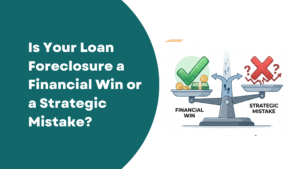
In many cases the borrower finds it difficult to decide whether to foreclose or continue till the end of tenure.
The Pros:
- Interest saving – The most impactful benefit of foreclosing a loan early is avoiding future interest cost, mainly for long-term loans like home loans where major portion of the interest is paid overtime.
- Financial Independence & Freedom from debt – Eliminating EMI obligations and provides peace of mind.
- Improved borrower profile – Foreclosing a could boost your credit score with better future borrowing ability.
- Full ownership of assets – In case of home loan and other mortgage loan like Auto and Gold Loan, upon foreclosure you re-gain full legal ownership of the mortgaged assets as the lender releases the rights.
The Cons:
- Reduced liquidity – Paying lumpsum can drain your savings, thereby making vulnerable to emergencies.
- Opportunity cost – This is especially where the lumpsum amount could have been invested elsewhere with better return than the loan interest cost.
- Foreclosure charges – Many lenders charge a foreclosure fees as percentage of outstanding loan which can offset the interest savings.
- Loss of tax benefits – Particularly for home loan, early foreclosure means losing the tax benefits.
When to foreclose?
- High interest rates – If your loan interest rate is high, paying it off could save a significant amount in the long run.
- Early in the tenure – Especially for Home Loan, foreclosing in early tenure would save huge interest cost.
- Idle surplus cash – If you have idle lump sum surplus, then using it to reduce or close the loan can prevent future interest burdens.
When to continue?
- Better alternative investment – If you have better alternative investment opportunity with higher return than the borrowing cost then it’s wise to continue the loan.
- Liquidity crunch – If paying off the loan early leads to liquidity crunch for future emergencies the better to avoid this.
- Low interest rates – If your interest rate is comparatively very low then it might not be worth to pay it off by impacting your liquidity.
Final Verdict:
Every borrower’s situation is different and the ideal decision may not always follow a universal checklist. With varying needs and changing market conditions, choosing the right path can feel overwhelming. At CREDNXT, our team is always ready to support you with the right insights and expert guidance – helping you make confident and well informed financial decisions.